Short answer: Improving aftersales experience in heavy equipment requires three capabilities: proactively updating customers on their unit’s workshop status, having service history accessible from the first contact, and actively monitoring warranties before they expire. All three depend on system-generated alerts, not on someone remembering to follow up.
In heavy equipment, the unit sale is the beginning of the customer relationship, not its culmination. The customer who bought a tractor, an excavator, or a semi-truck is going to depend on the dealership for service, parts, warranties, and technical support for years to come. The quality of that aftersales relationship is what determines whether they come back to buy from the same dealership or whether, for their next purchase, they’re already talking to the competition.
Yet in many dealerships, aftersales service operates reactively: it responds when the customer calls, resolves what it can with the information it has, and there’s no systematic follow-up process. That’s not enough in a market where unit sale margins are tight and long-term profitability depends on the service relationship.
What Customers Expect From Aftersales (and Rarely Get)
Information Without Having to Ask
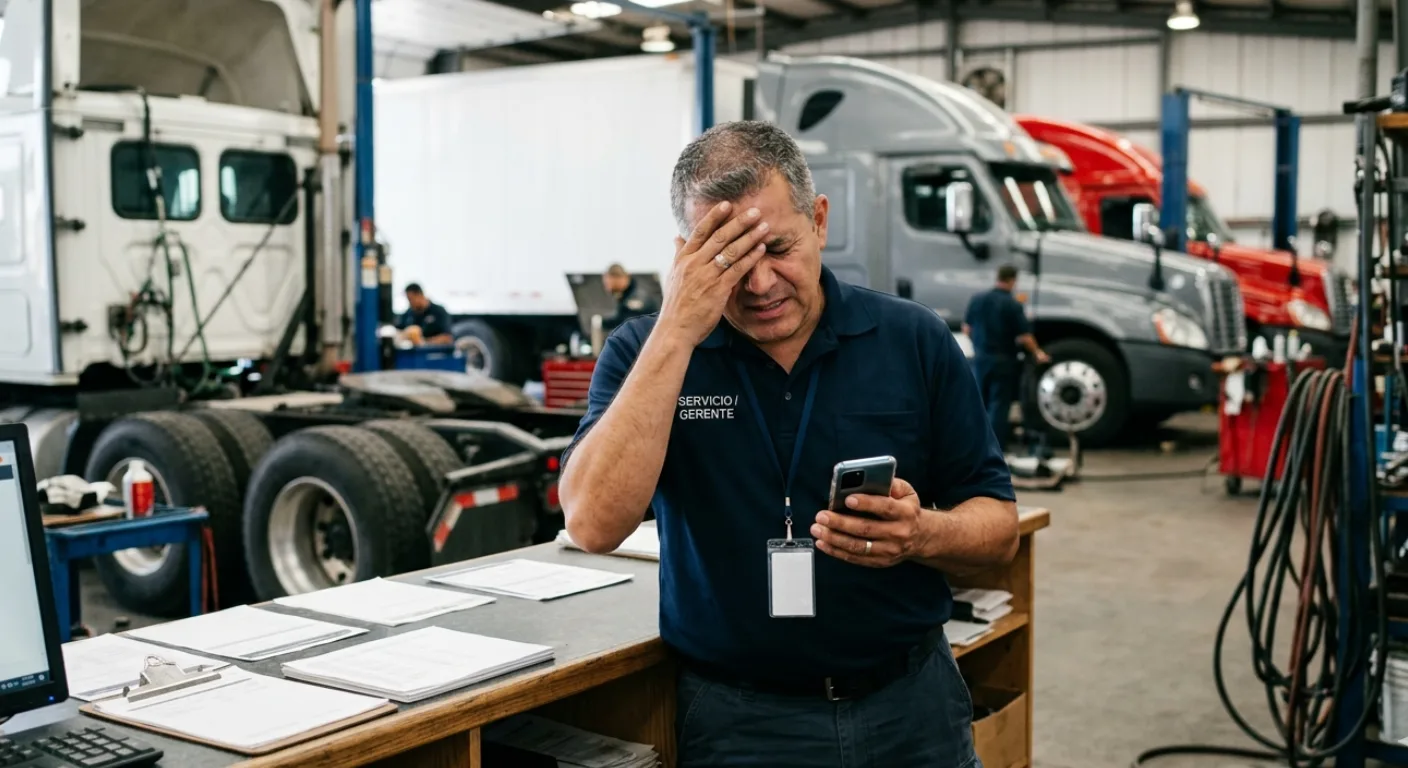
When a customer leaves their unit at the shop, they want to know two things: when will it be ready and if anything unexpected came up. In most shops, the customer has to call to get that information. The shop rarely calls first.
The difference between a satisfied customer and a frustrated one is often as simple as this: does the customer have real-time information about their unit?
History Accessible From the First Contact
When the customer calls, the person answering should be able to immediately see the unit’s history: what units the customer has, when was the last service, whether there are active warranties, whether there are any open items.
If the person answering has to put the customer on hold to find that information, or worse, can’t find it and the customer has to explain their history from scratch, the experience is bad.
Warranty Tracking Without the Customer Having to Claim It
A dealership that actively monitors its customers’ warranties — that knows which units are within the warranty period, which components are covered, and that alerts customers when a warranty is about to expire — is delivering a service that most don’t. And that gets remembered.
The System’s Role in the Customer Experience
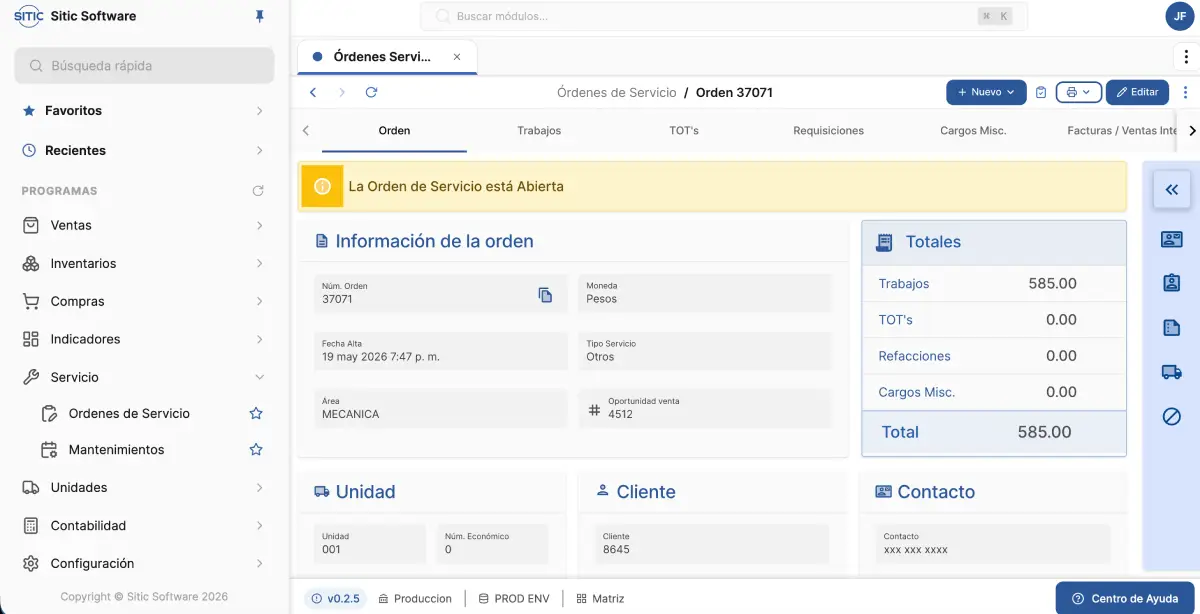
The dealership that wants to be proactive with its customers needs the system to tell it when to act: which units have upcoming services per their contract, which customers have shop orders where promised dates are approaching, which warranties are about to expire.
Without those alerts, proactivity depends on someone remembering to follow up — which works when the operation is small, but fails when the operation grows and there are dozens or hundreds of active relationships.
Metrics for Aftersales Customer Experience
Promise date fulfillment rate: what percentage of units in the shop is delivered on the date promised. A low rate indicates that time commitments aren’t being managed correctly.
Work time per technician: determines shop efficiency, staff performance, and unit delivery times.
Repurchase rate: what percentage of customers who bought a unit also bought parts, maintenance contracts, or the next unit from the same dealership. This reflects whether aftersales is building loyalty or whether customers are looking for alternatives.
If you want to talk about how SITIC supports customer experience management in heavy equipment dealerships, schedule a conversation with our team.